114 Surah Names List: Complete List of Chapters in the Quran
Many people know famous Surahs of the Quran, such as Al-Fatihah, Ya-Sin, Al-Kahf, and An-Nas, but finding a complete and organized list of all chapters can be difficult. The 114…
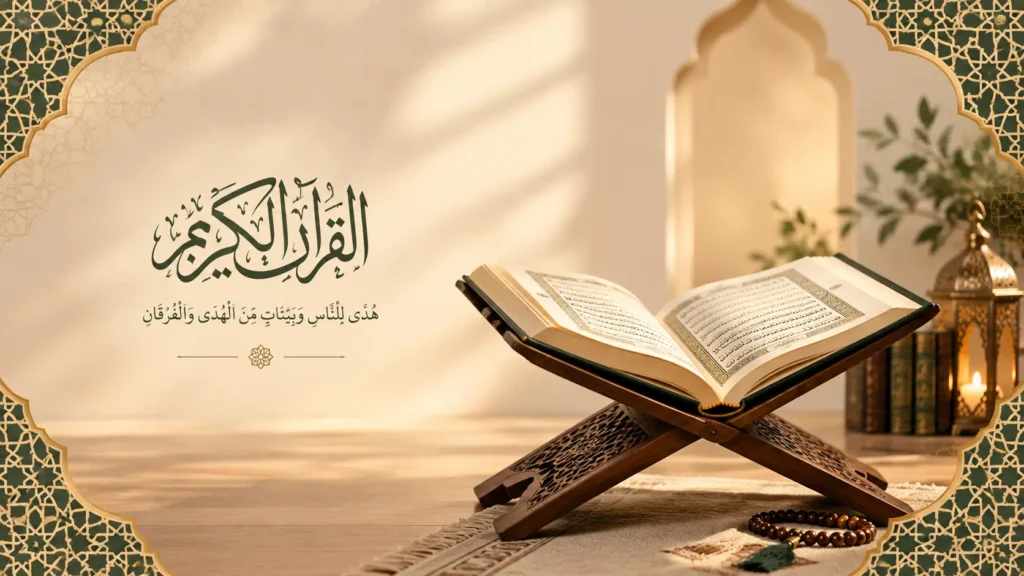
Many people know famous Surahs of the Quran, such as Al-Fatihah, Ya-Sin, Al-Kahf, and An-Nas, but finding a complete and organized list of all chapters can be difficult. The 114 Surah names list provides a simple way to view every Surah in order, along with their meanings and basic Quran information.
The Quran contains 114 chapters called Surahs. Each Surah has its own name and place within the Quran. This list helps learners, students, and families keep a clear reference for studying and understanding the structure of the Quran.
Understanding the 114 Surahs of the Quran
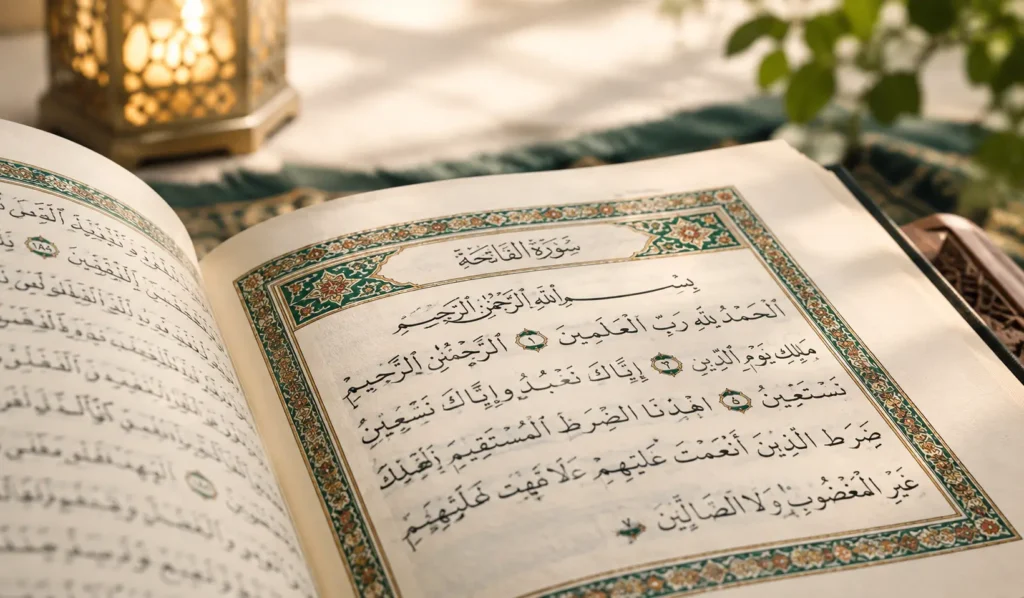
A Surah is a chapter of the Quran. The Quran is made up of 114 Surahs, and each chapter contains verses called Ayahs. The chapters are arranged in Quran order, with each Surah having a unique name.
The names of Surahs often connect to important words, events, or subjects mentioned within them. For example, Al-Baqarah means “The Cow,” taking its name from a story mentioned within the Surah, while Ar-Rahman means “The Most Merciful.”
A detailed Surah reference may include the Surah number, Surah name, English meaning, Arabic name, number of verses, revelation classification, and Juz information. This makes it easier to locate chapters and understand their basic details.
Complete 114 Surah Names List in Order
The list below presents all 114 Surahs of the Quran in order, with their English meanings.
Surahs 1–20
- Al-Fatihah — The Opening
- Al-Baqarah — The Cow
- Al-Imran — Family of Imran
- An-Nisa — The Women
- Al-Ma’idah — The Table Spread
- Al-An’am — The Cattle
- Al-A’raf — The Heights
- Al-Anfal — The Spoils of War
- At-Taubah — The Repentance
- Yunus — Jonah
- Hud — Hud
- Yusuf — Joseph
- Ar-Ra’d — Thunder
- Ibrahim — Abraham
- Al-Hijr — The Stoneland
- An-Nahl — The Bee
- Al-Isra — The Night Journey
- Al-Kahf — The Cave
- Maryam — Mary
- Ta-Ha — Ta-Ha
Surahs 21–40
- Al-Anbiya — The Prophets
- Al-Hajj — The Pilgrimage
- Al-Mu’minun — The Believers
- An-Nur — The Light
- Al-Furqan — The Criterion
- Ash-Shu’ara — The Poets
- An-Naml — The Ants
- Al-Qasas — The Story
- Al-Ankabut — The Spider
- Ar-Rum — The Romans
- Luqman — Luqman
- As-Sajdah — Prostration
- Al-Ahzab — The Confederates
- Saba — Sheba
- Fatir — The Originator
- Ya-Sin — Ya Sin
- As-Saffat — Those Who Set the Ranks
- Sad — The Letter Saad
- Az-Zumar — The Troops
- Ghafir — The Forgiver
Surahs 41–60
- Fussilat — Explained in Detail
- Ash-Shura — The Consultation
- Az-Zukhruf — The Ornaments of Gold
- Ad-Dukhan — The Smoke
- Al-Jathiyah — The Crouching
- Al-Ahqaf — The Wind-Curved Sandhills
- Muhammad — Muhammad
- Al-Fath — The Victory
- Al-Hujurat — The Private Chambers
- Qaf — Qaf
- Adh-Dhariyat — The Scatterers
- At-Tur — The Mountain
- An-Najm — The Star
- Al-Qamar — The Moon
- Ar-Rahman — The Beneficent
- Al-Waqi’ah — The Inevitable
- Al-Hadid — The Iron
- Al-Mujadila — The Pleading Women
- Al-Hashr — The Exile
- Al-Mumtahanah — She That Is to Be Examined
Surahs 61–80
- As-Saff — The Ranks
- Al-Jumu’ah — The Congregation, Friday
- Al-Munafiqun — The Hypocrites
- At-Taghabun — Mutual Dispossession
- At-Talaq — The Divorce
- At-Tahrim — The Prohibition
- Al-Mulk — The Sovereignty
- Al-Qalam — The Pen
- Al-Haqqah — The Reality
- Al-Ma’arij — The Ascending Stairways
- Nuh — Noah
- Al-Jinn — The Jinn
- Al-Muzzammil — The Enshrouded One
- Al-Muddaththir — The Cloaked One
- Al-Qiyamah — The Resurrection
- Al-Insan — The Man
- Al-Mursalat — The Emissaries
- An-Naba — The Tidings
- An-Nazi’at — Those Who Drag Forth
- Abasa — He Frowned
Surahs 81–100
- At-Takwir — The Overthrowing
- Al-Infitar — The Cleaving
- Al-Mutaffifin — The Defrauding
- Al-Inshiqaq — The Sundering
- Al-Buruj — The Mansions of the Stars
- At-Tariq — The Nightcomer
- Al-A’la — The Most High
- Al-Ghashiyah — The Overwhelming
- Al-Fajr — The Dawn
- Al-Balad — The City
- Ash-Shams — The Sun
- Al-Lail — The Night
- Ad-Duha — The Morning Brightness
- Ash-Sharh — The Expansion
- At-Tin — The Fig
- Al-Alaq — The Blood Clot
- Al-Qadr — The Power
- Al-Bayyina — The Evidence
- Az-Zalzalah — The Earthquake
- Al-Adiyat — The Courser
Surahs 101–114
- Al-Qari’ah — The Calamity
- At-Takathur — Vying for Increase
- Al-Asr — The Declining Day
- Al-Humazah — The Slanderer
- Al-Fil — The Elephant
- Quraysh — Quraish
- Al-Ma’un — The Small Kindness
- Al-Kawthar — The Abundance
- Al-Kafirun — The Disbelievers
- An-Nasr — The Divine Support
- Al-Masad — The Palm Fiber
- Al-Ikhlas — The Sincerity
- Al-Falaq — The Daybreak
- An-Nas — Mankind
What a Surah Name Tells You
A Surah name is more than just a label — it helps identify a chapter and gives readers a starting point for understanding its subject. A detailed Surah reference can pair the Arabic name and English meaning with a few extra details, such as the Surah number, verse count, revelation classification, and Juz location. This structure helps beginners connect each name with the Quran’s wider organization.
A few examples show how names connect to their chapters: Al-Fatihah (“The Opening”) is the first Surah of the Quran, An-Nas (“Mankind”) is the final one, and names like Al-Baqarah or An-Naml come from words or subjects mentioned within those chapters.
Surah List According to Juz (Para)
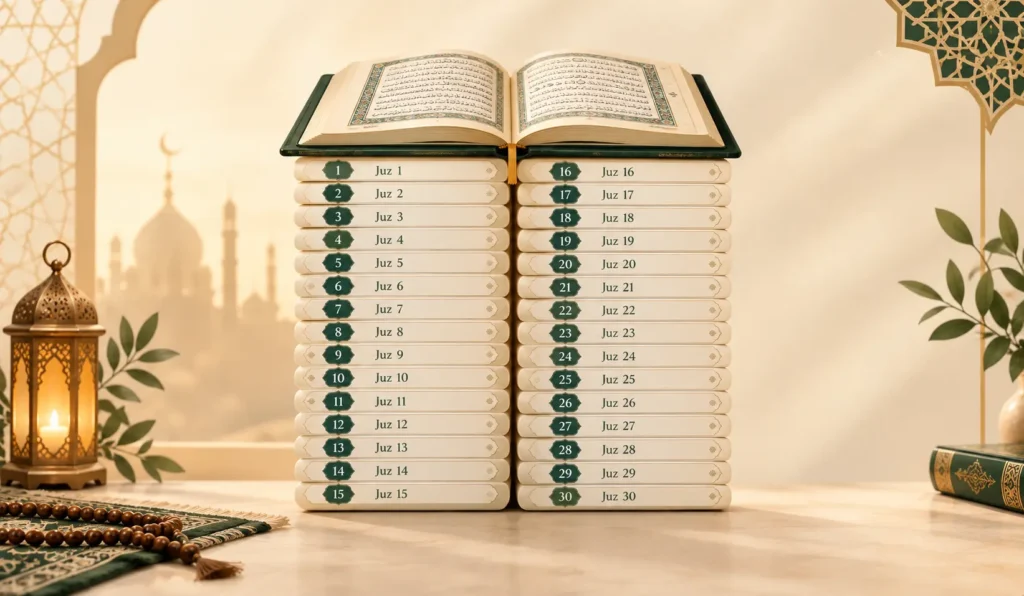
The Quran is divided into 30 sections called Juz, also known as Para. A Surah can fall entirely within one Juz or continue across several. A Juz-based reference connects each Surah with where it falls within that division.
Example: First Five Surahs by Juz
- Al-Fatihah — Juz 1
- Al-Baqarah — Juz 1, 2, and 3
- Al-Imran — Juz 3 and 4
- An-Nisa — Juz 4, 5, and 6
- Al-Ma’idah — Juz 6 and 7
These five examples illustrate how Surahs can continue across more than one Juz. The same type of mapping can be used to identify the Juz location of the remaining Surahs.
Makki and Madani Surahs

Surahs are also commonly classified as Makki or Madani according to the period of revelation.
Makki Surahs generally refer to revelations made before the Hijrah, the migration of the Prophet Muhammad ﷺ from Makkah to Madinah. They often emphasize foundational themes such as faith, worship, accountability, and the Hereafter.
Madani Surahs generally refer to revelations made after the Hijrah. They include guidance related to community life, worship, social responsibilities, family matters, and other aspects of the developing Muslim community.
This classification gives readers another useful lens for understanding the historical context and organization of the Quran.
Conclusion
A complete 114 Surah names list is a useful reference for anyone learning the structure of the Quran. Instead of searching through separate pages, readers can find the names, meanings, and basic organization in one place.
A good Quran reference works best when it is simple and clear. Consistent translations, clear numbering, and organized details make it easier for beginners and useful for anyone revisiting their studies. The most practical way to use this list is as a starting point, then explore each Surah through its verses, translation, and deeper study. Before diving into the verses themselves, it also helps to know how to read Arabic words, so you can follow along with the original text.
Frequently Asked Questions
How many Surahs are there in the Quran?
There are 114 Surahs in the Quran. Each has its own name and place in the Quran’s order.
What is the first Surah of the Quran?
Al-Fatihah, meaning “The Opening,” appears at the beginning of the Quran.
What is the last Surah of the Quran?
An-Nas, meaning “Mankind,” is Surah number 114 and the final chapter.
What information is included in a Surah list?
A Surah list can include the Surah number, Arabic name, English meaning, verse count, revelation classification, and Juz information.
Why are Surah names important?
Surah names help readers identify Quran chapters and understand basic information about each chapter before studying its verses.

tahamehmood895@gmail.com
tahamehmood895@gmail.com shares helpful Quran learning, Tajweed and Islamic education guidance for Quran Learning UK readers.
Related Quran Learning Guides