
Child Welfare, Clear Boundaries & Parent Awareness
Safeguarding for Online Quran Classes
Children should be able to learn Quran online in a respectful environment with clear adult boundaries, appropriate parent awareness and an obvious route for raising concerns. This page explains the safeguarding standards families should expect and the questions parents can confirm before lessons begin.
✓Parent awareness
✓Professional tutor boundaries
✓Child privacy
✓Clear concern reporting
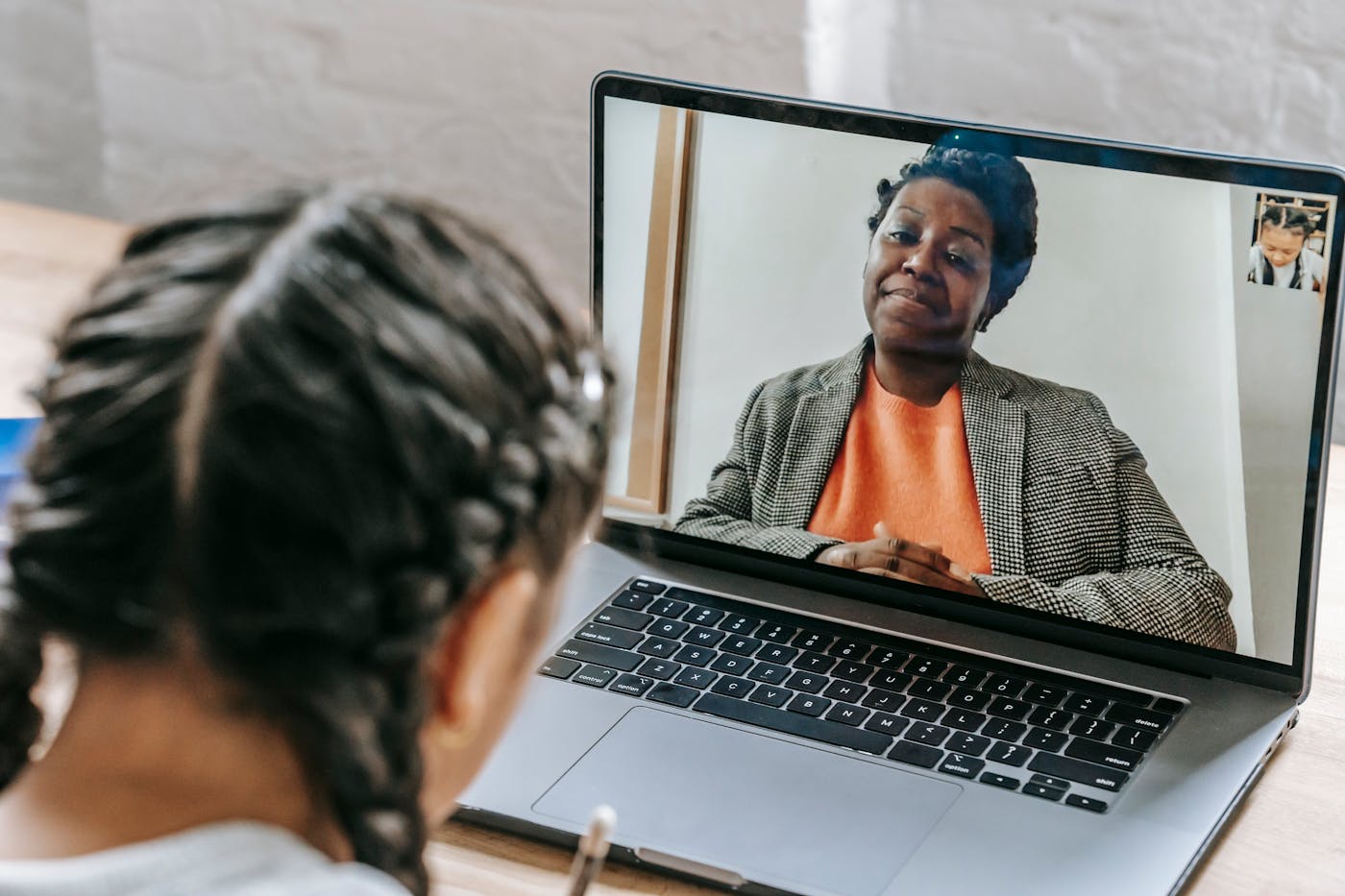
Safe online learning needs shared responsibilityClear setup → parent awareness → professional boundaries → child voice → reporting route
For parents & carersKnow who is teaching, how lessons are delivered and how to report a concern.
For childrenA child should know they can tell a trusted adult if anything makes them uncomfortable.
Our Safeguarding Principles
A Good Online Lesson Should Feel Transparent, Professional and Easy for a Parent to Understand
Safeguarding is broader than one badge or one document. It includes lesson setup, adult behaviour, communication, privacy, parent awareness and what happens when somebody is worried.
Five Core Standards
Keep the Learning Relationship Visible and the Boundaries Clear
Parents know the lesson arrangement
Understand the tutor, lesson time, communication route and online setup before regular lessons begin.
Tutor behaviour stays professional
Conversation should remain age-appropriate and focused on teaching, wellbeing and necessary lesson communication.
Child privacy is respected
Children should not be encouraged to share passwords, private images, financial details or unrelated information.
Children can speak up
A child can stop, leave or tell a trusted adult if anything feels worrying or uncomfortable.
Parents can raise concerns clearly
Families should know which official contact route to use for safeguarding or child-welfare concerns.
Safeguarding Is Broader Than a Background Check
Background or suitability checks may form part of a provider's arrangements, but families should also consider communication boundaries, lesson visibility, privacy and reporting. Ask what checks apply to the specific tutor before enrolment.
Technology Does Not Remove Adult Responsibility
A lesson through a screen still involves an adult-child teaching relationship. Parents should know which device and platform are used and how communication takes place outside the scheduled lesson.
Interactive Online Lesson Safety Guide
What Should Safe Professional Boundaries Look Like?
Choose a topic to see practical questions parents can use when checking an online Quran lesson arrangement.
Communication
Keep Child-Related Communication Transparent to the Parent or Carer
Parents should know how lesson messages, timetable changes, homework and learning updates are communicated. A child should not be pushed into hidden communication with an adult tutor.
- ✓Ask which contact route is used
- ✓Keep parents aware of changes
- ✓Avoid unnecessary private contact details
- ✓Report secretive or inappropriate communication
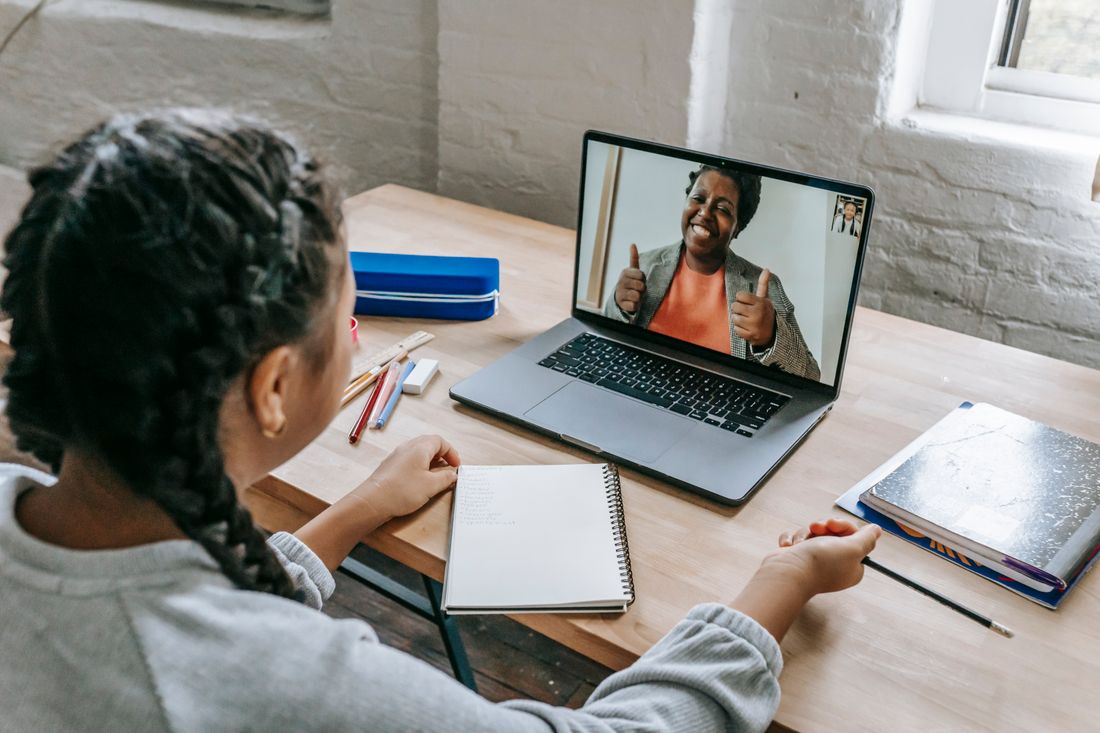
Lesson setup
Parents Should Know When and How the Child Is Joining
For younger children especially, the device, room, lesson time and adult awareness should be clear. A parent may choose to remain nearby or observe where appropriate.
- ✓Confirm platform and lesson time
- ✓Use a suitable learning space
- ✓Keep younger children within adult awareness
- ✓Know what to do if the setup unexpectedly changes

Privacy
Share Only What the Lesson Actually Needs
Children should not be asked for passwords, private photographs, financial details or unrelated personal information. Parents should decide what learner information is necessary.
- ✓Use parent-supplied information where possible
- ✓Never share passwords
- ✓Keep identifying information out of public messages
- ✓Ask how learner information is handled

Tutor conduct
Teaching Should Stay Respectful, Age-Appropriate and Focused on Learning
A tutor should not use humiliation, inappropriate personal questions or behaviour that makes a child afraid to speak. Correction can be clear without becoming degrading.
- ✓Age-appropriate teaching language
- ✓No humiliating correction
- ✓No pressure for secrecy
- ✓Parents can report boundary concerns

Recording & sharing
Do Not Assume a Child's Lesson Is Recorded or Shared
Recording policies differ. Parents should confirm whether lessons are recorded, who can access recordings, what consent is required and how long anything is retained.
- ✓Ask whether recording happens
- ✓Ask what consent is required
- ✓Ask who can access recordings
- ✓Do not publish child images without permission

Parent & Carer Role
Six Simple Ways Parents Can Strengthen Online Lesson Safety
Ask Who Will Be Teaching Your Child
Confirm the tutor's role, relevant teaching experience and any background or suitability checks that apply before regular lessons begin.
Understand How the Child Joins
Know which device or platform is used and what the child should do if the setup looks different.
Keep Younger Learners within Adult Awareness
Depending on age and maturity, a parent may stay nearby or observe where appropriate.
Ask More Than “How Was Class?”
Ask what the child learned, what felt difficult and whether anything made them uncomfortable.
Keep Private Details Private
Children should not share passwords, financial information, private photos or unnecessary home/family details.
Do Not Wait for a Concern to Grow
If something feels inappropriate, confusing or outside the expected lesson boundary, contact the service and explain what happened.
Helping Children Speak Up
A Child Should Know What to Do if Something Feels Wrong
Children need simple, age-appropriate permission to stop, leave, tell and ask for help.
“I can tell my parent.”
A child should never be made to feel disloyal for telling a trusted adult.
“I can say no.”
Teaching does not require private images, passwords or unrelated personal information.
“I can leave and get an adult.”
If something feels unsafe, a child can end the call and seek help.
“I can ask what is happening.”
Children should not be pressured into unexpected activities without explanation.
No Adult Should Ask a Child to Keep a Lesson Secret from Their Parent
Normal lesson surprises or educational encouragement are different from asking a child to conceal communication, behaviour or contact from a parent or carer.
Make Disclosure Easier before a Problem Happens
Regular calm conversations about lessons can make it easier for a child to mention something confusing or uncomfortable early.
How to Raise a Safeguarding Concern
Report the Concern Promptly and Keep the Facts Clear
If a parent, carer or learner is worried about tutor behaviour, inappropriate communication, privacy, lesson boundaries or a child's welfare, use the official contact route and explain what happened as clearly as possible.
If you believe a child is in immediate danger, do not wait for a website response. Contact the appropriate emergency or child-protection authorities for your location.
A clear concern report can includeFacts before assumptions
WHO
Who was involved?
Child/learner, tutor or another person connected with the lesson.
WHEN
When did it happen?
Date, approximate time and whether it happened once or more than once.
WHAT
What actually happened?
Describe words, messages or behaviour as accurately as possible.
EVID
Is there relevant evidence?
Keep messages or screenshots privately if they help explain the concern.
NOW
Is the child safe right now?
If there is immediate danger, contact the appropriate authorities.
Parent safeguarding checklistAsk before regular lessons
01
What suitability or background checks apply to this tutor?
Ask what has actually been checked rather than relying on a generic label.
02
How does communication involving my child work?
Confirm whether messages go through a parent, admin or another official route.
03
Can I remain nearby or observe where appropriate?
Clarify parent visibility for younger children.
04
Are lessons recorded?
Ask whether recording happens, why, who can access it and what consent is required.
05
Who handles safeguarding concerns?
Ask for the current reporting route.
06
How is my child's information protected?
Review the privacy policy and ask what data is collected for enrolment and lessons.
Before You Enrol a Child
Parents Should Be Able to Ask Direct Questions without Feeling Difficult
Safeguarding questions are normal. Ask about tutor suitability, communication, lesson visibility, recording, privacy and reporting before deciding whether the arrangement is right for your child.
Online Quran Safeguarding FAQs
Questions Parents Ask about Child Safety in Online Quran Lessons
Parent supervision, tutor checks, communication, privacy, recordings, child voice and reporting concerns.
Safeguarding means protecting a child's welfare during the learning relationship. It includes suitable adults, professional boundaries, parent awareness, child privacy, online lesson safety and a clear way to report concerns.
Parent involvement can depend on age and maturity. For younger learners, parents may remain nearby or observe where appropriate. Parents should at minimum know the tutor, schedule and lesson setup.
Ask what suitability or background checks apply to the specific tutor before enrolment. This page does not assume a particular check or status unless it has been confirmed.
Yes. Parents can ask what DBS or other suitability checks apply and whether the check is relevant and current for the role. Do not assume every tutor has the same status without confirmation.
Parents should confirm communication rules before lessons begin. Child-related messages should remain transparent to the parent or carer, and secretive or inappropriate communication should be reported.
Parents can ask about lesson visibility and whether they may remain nearby or observe where appropriate, especially for younger children or when starting with a new tutor.
Recording policies vary. Confirm whether lessons are recorded, what consent is required, who can access recordings and how long anything is retained.
Only information reasonably needed for learning should be shared. Children should not share passwords, financial details, private images or unnecessary personal information.
The child can stop or leave the call and tell a parent, carer or other trusted adult. Parents can then record the basic facts and use the official contact route.
Use the official contact route and clearly state that the message concerns safeguarding or child welfare. Include the date, lesson, person involved and a factual description of what happened.
Do not wait for a website or routine customer-service response. Contact the appropriate emergency or child-protection authorities for your location.
Ask who will teach, what suitability checks apply, how communication works, whether parents can observe where appropriate, whether lessons are recorded, how learner data is protected and how concerns are reported.
Safeguarding should not be reduced to teacher gender. Families may have a tutor preference, but professional boundaries, suitability, parent awareness, privacy and reporting arrangements still matter.
Yes. Teenagers may learn with more independence, but parents and carers should still understand the tutor, schedule, communication route and safeguarding boundaries.
Review the Privacy Policy for information about personal data. Parents can also ask what information is collected specifically for a child's enrolment and lessons.
Safeguarding Questions Are Welcome
Know the Tutor, Understand the Lesson Setup and Keep the Reporting Route Clear
Parents should feel able to ask about tutor suitability, communication, lesson visibility, privacy, recording and child-protection arrangements before online Quran lessons begin.